Surinamensium Part 1 Rethinking the gaze of Maria Sibylla Merian
The exhibition Surinamensium Part 1 – an exhibition and dialogues of rethinking the gaze of Maria Sibylla Merian Naturalist, Scientific illustrator and Adventurer by Sithabile Mlotshwa with contributions from Dr. M.L. (Mikki) Stelder and Rudy Chotoe aka di Damsko.
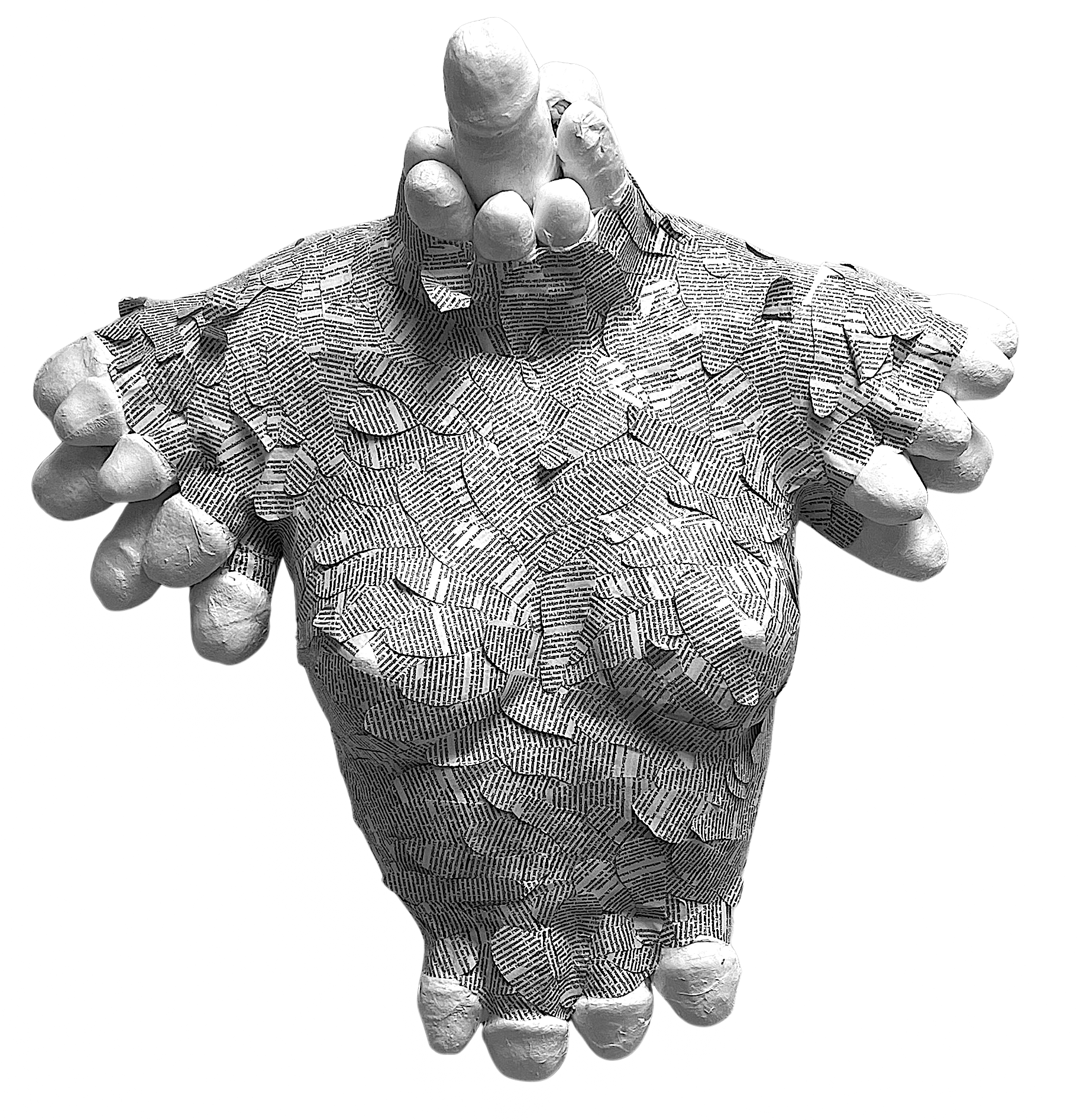
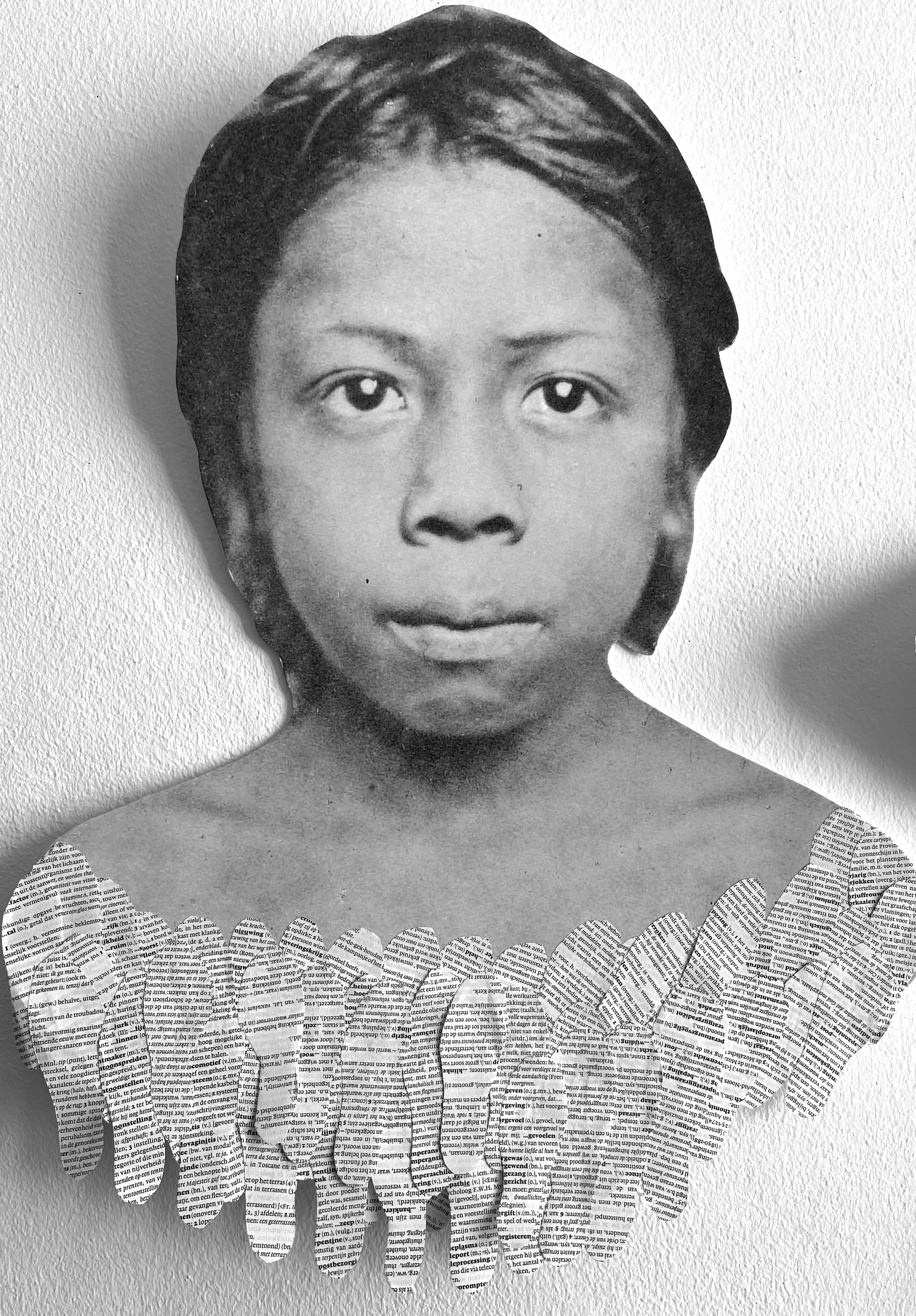
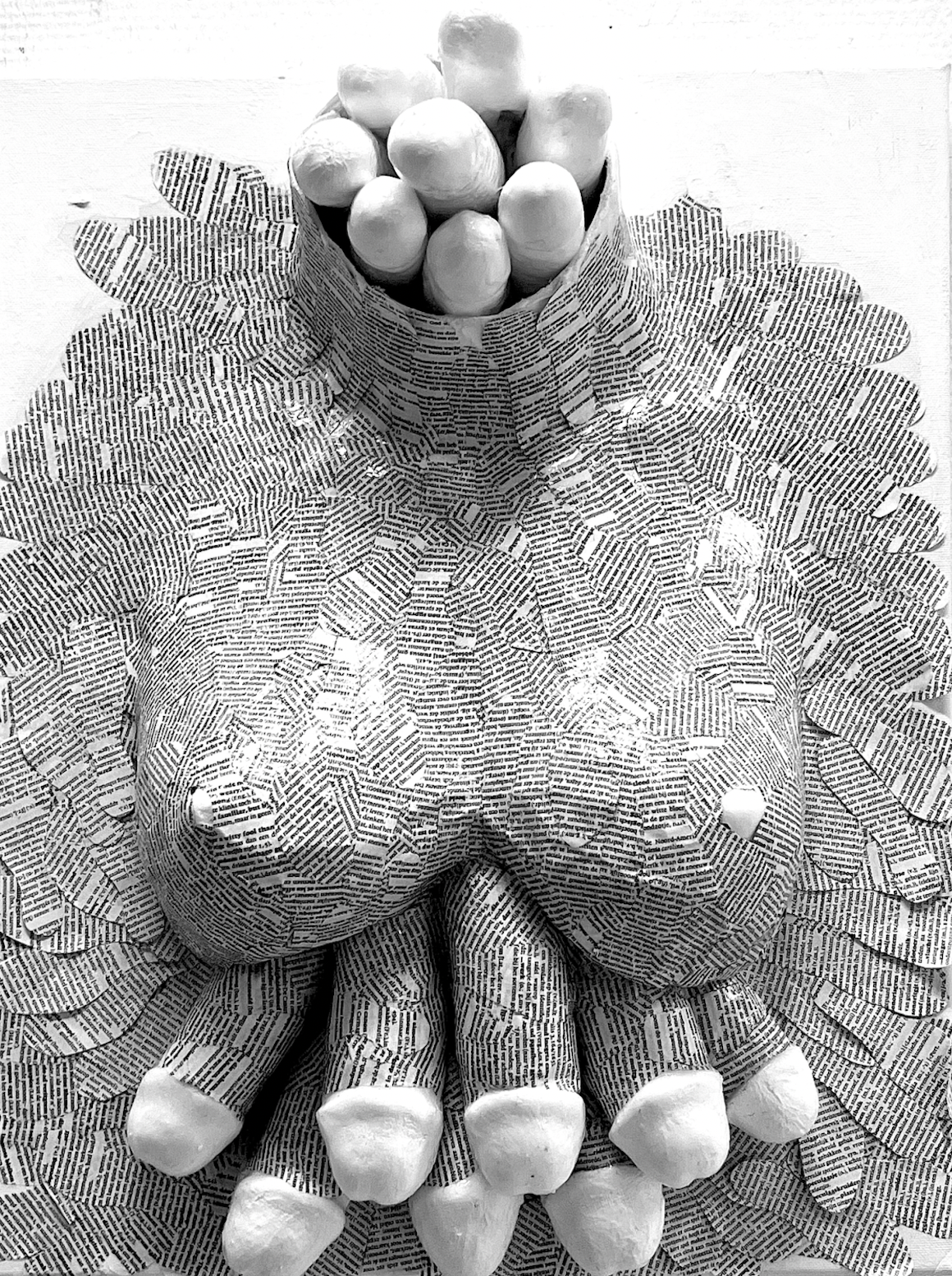
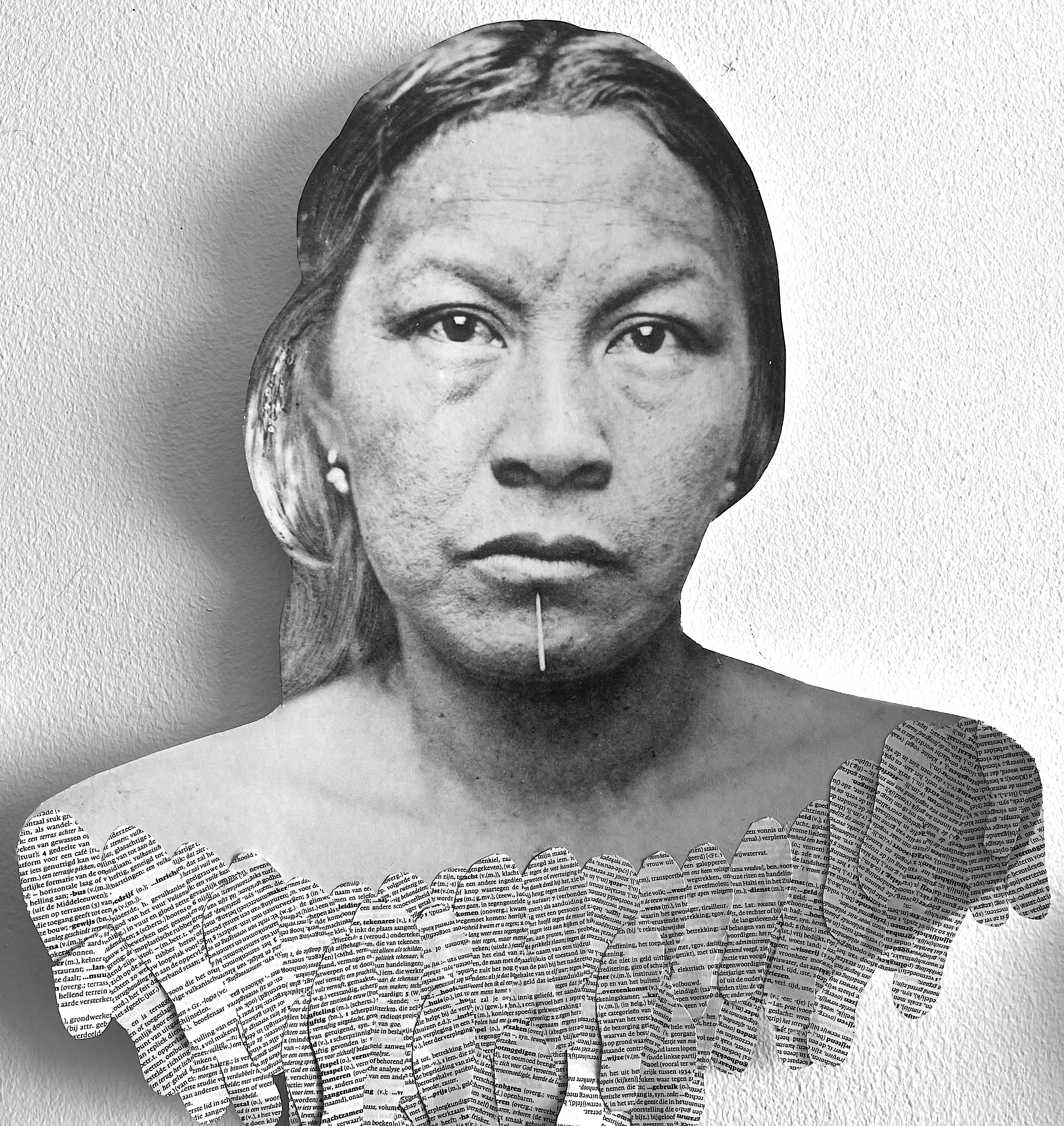
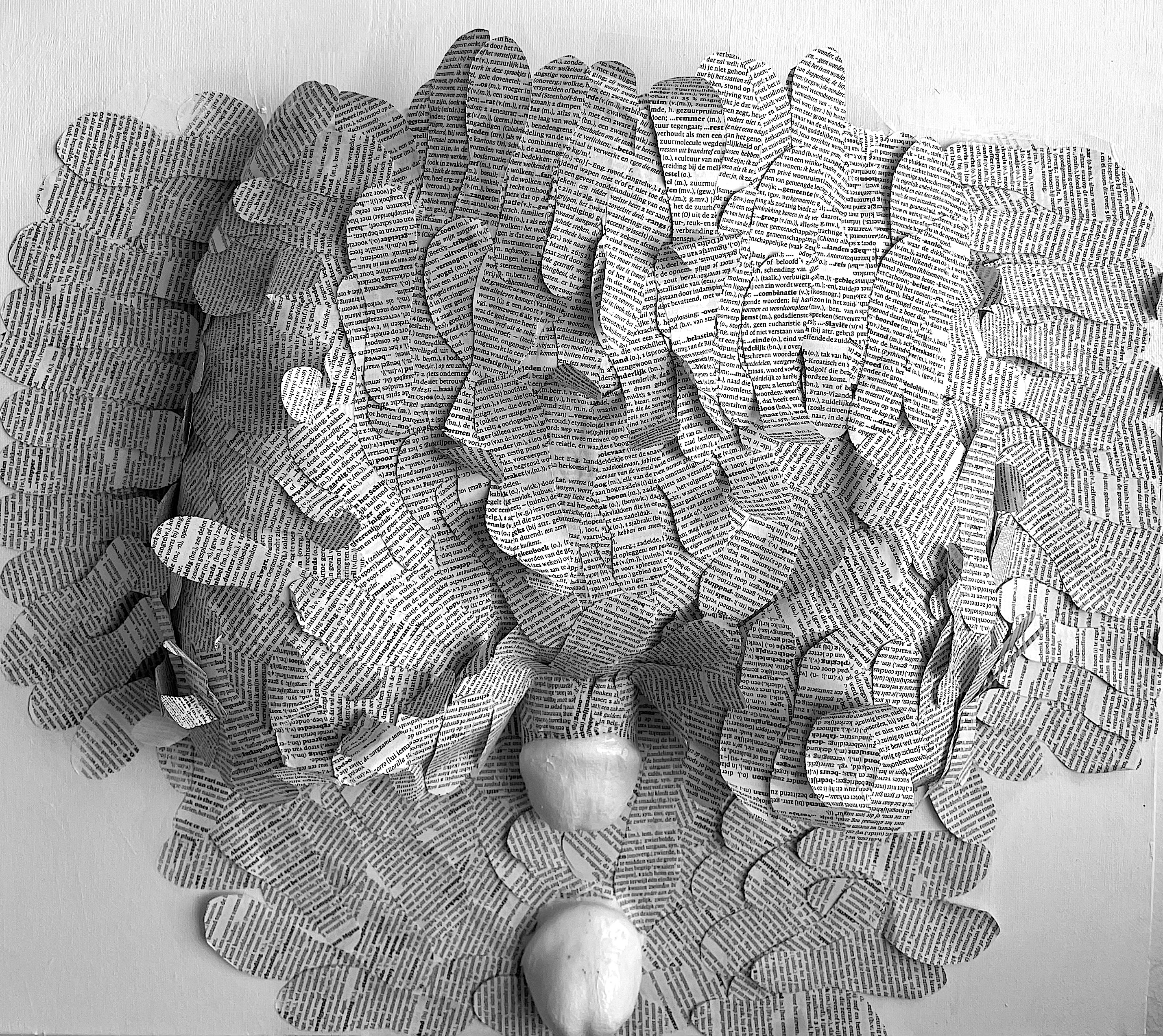
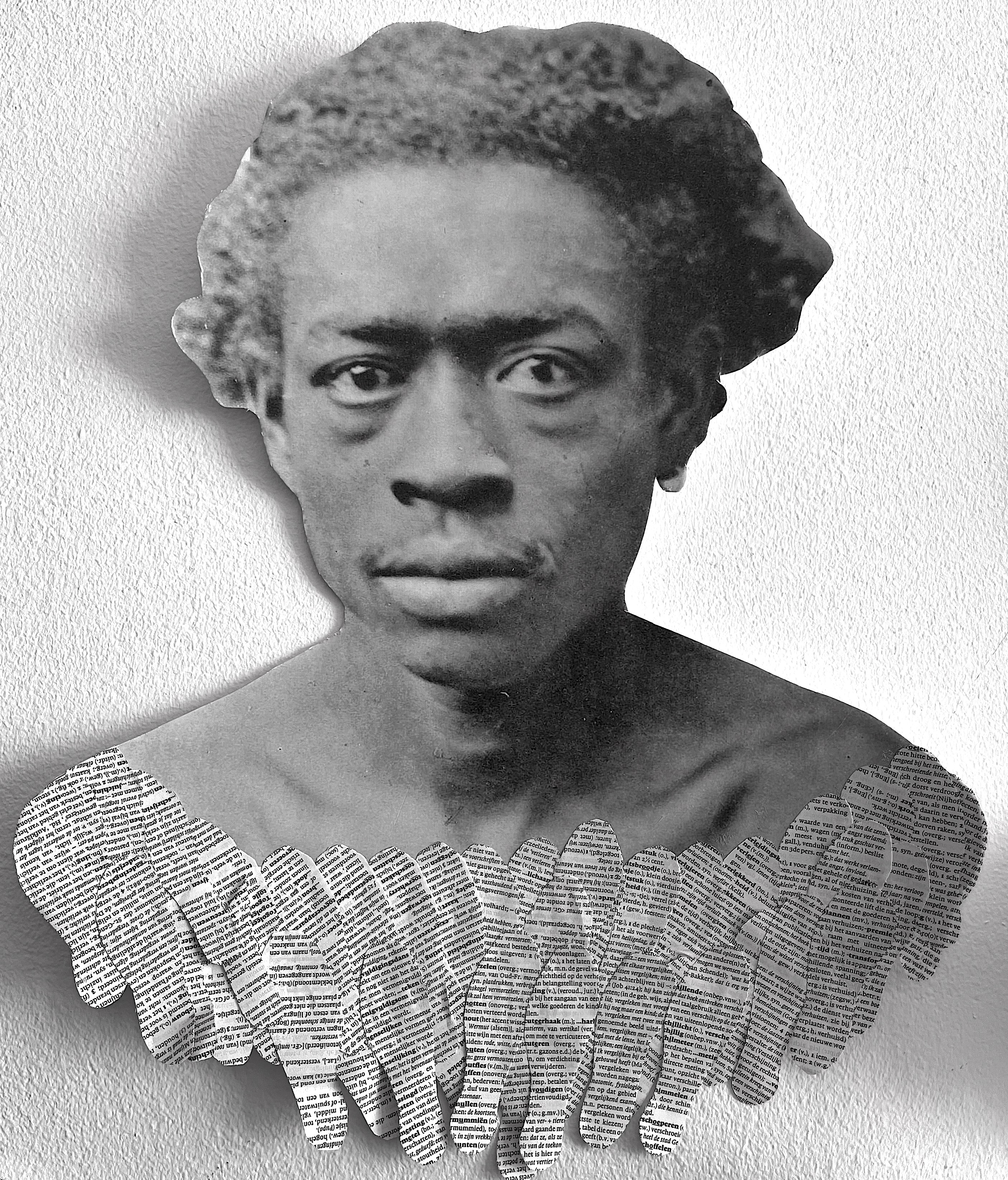
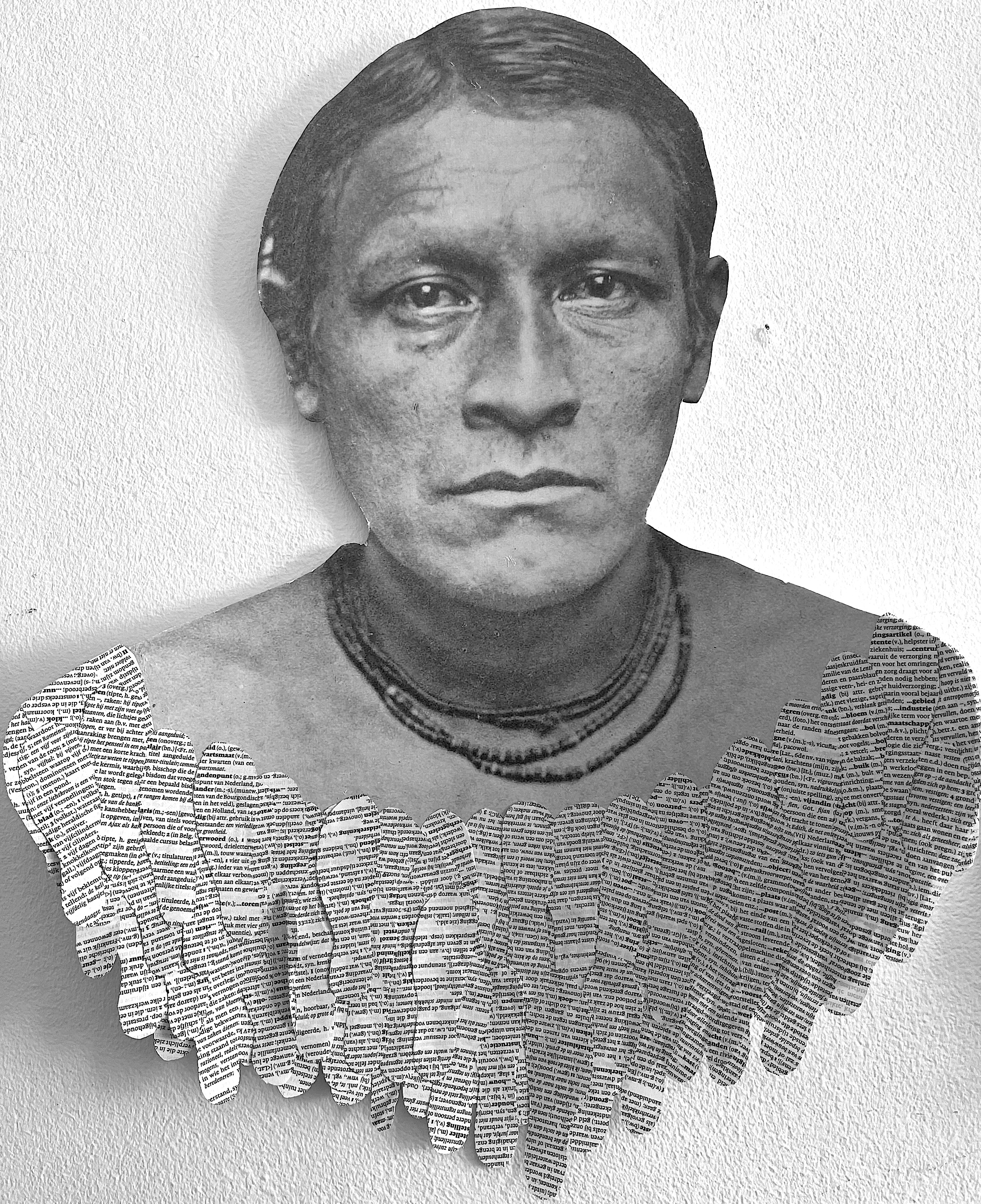
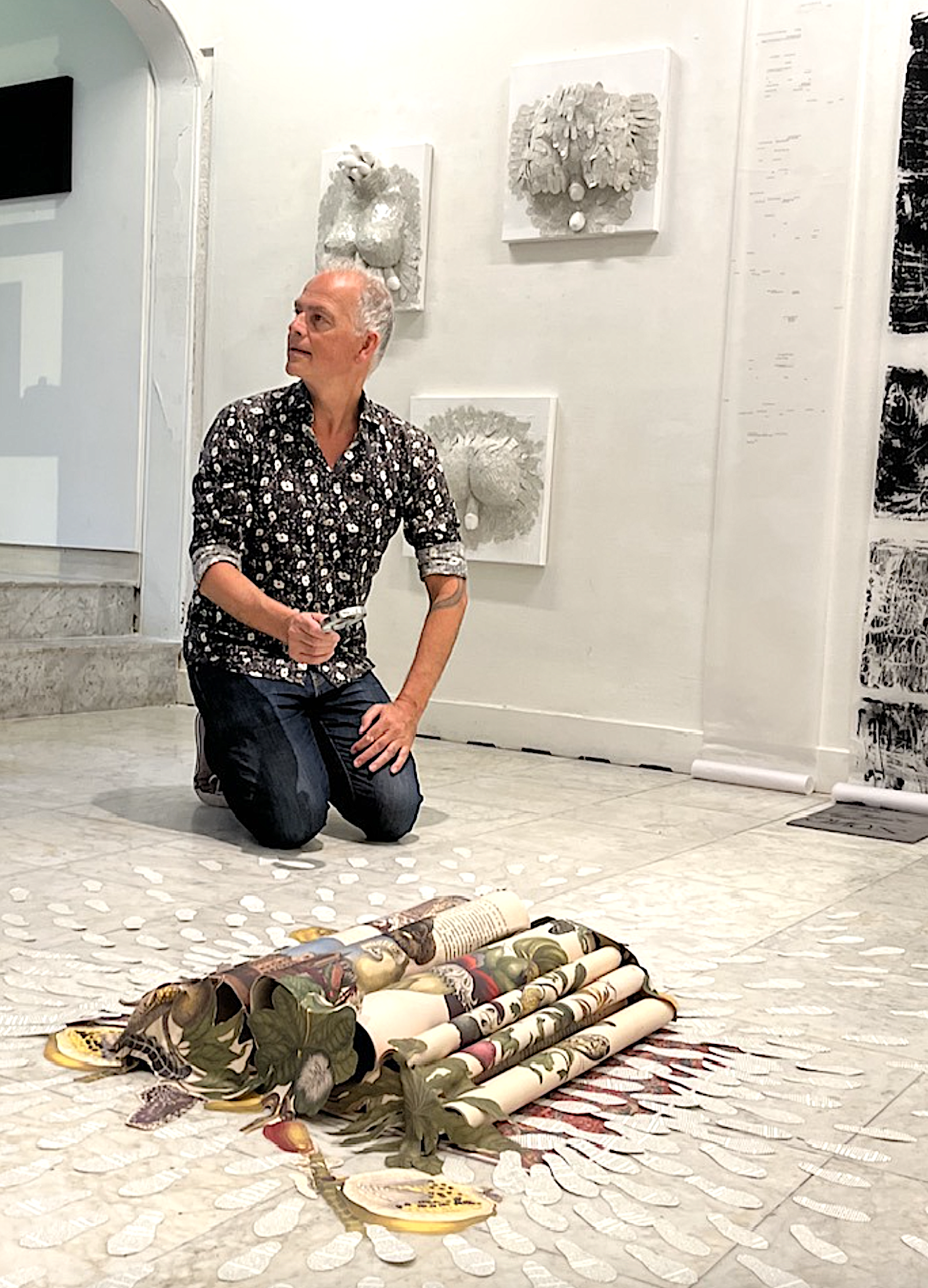
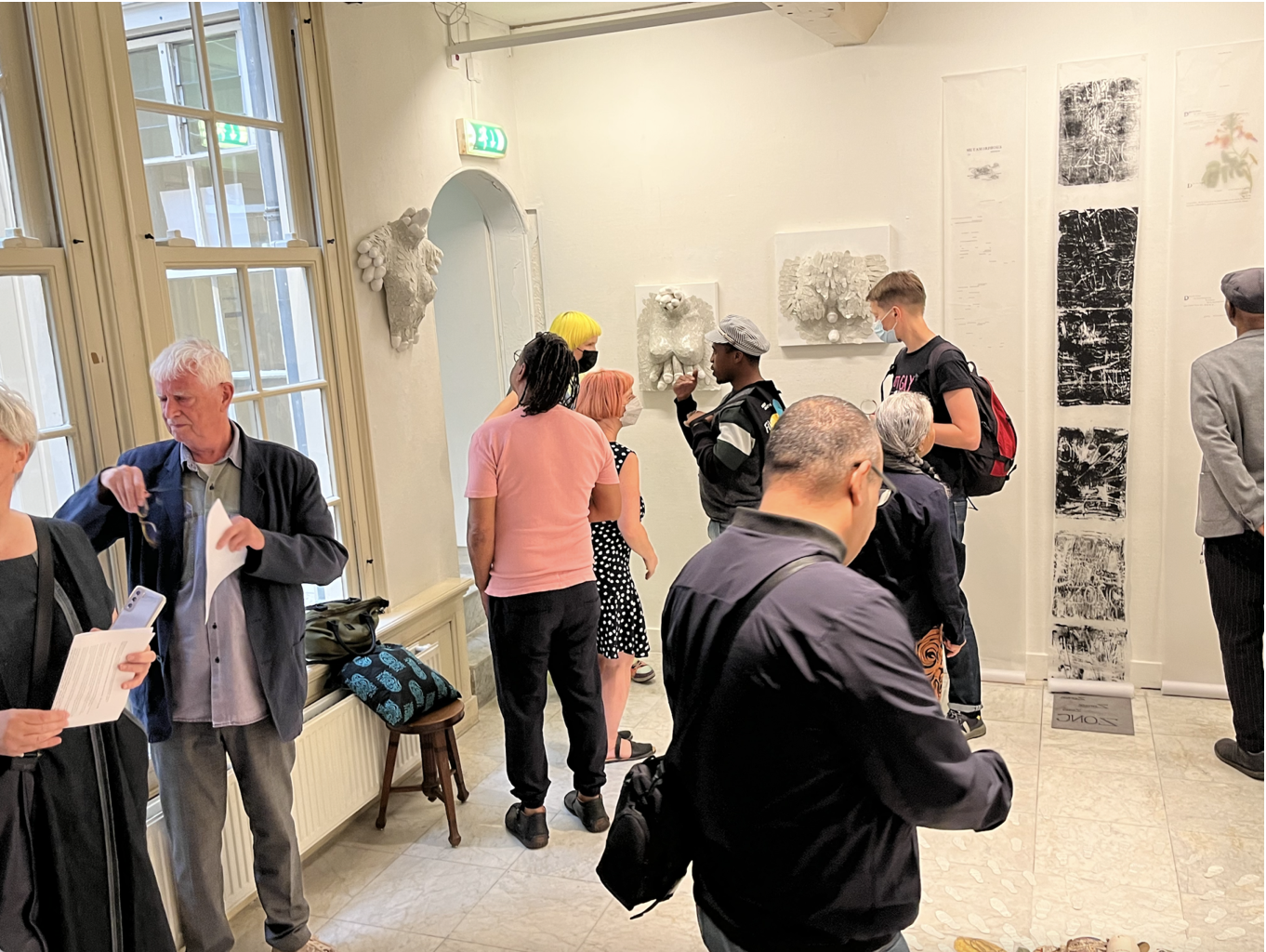
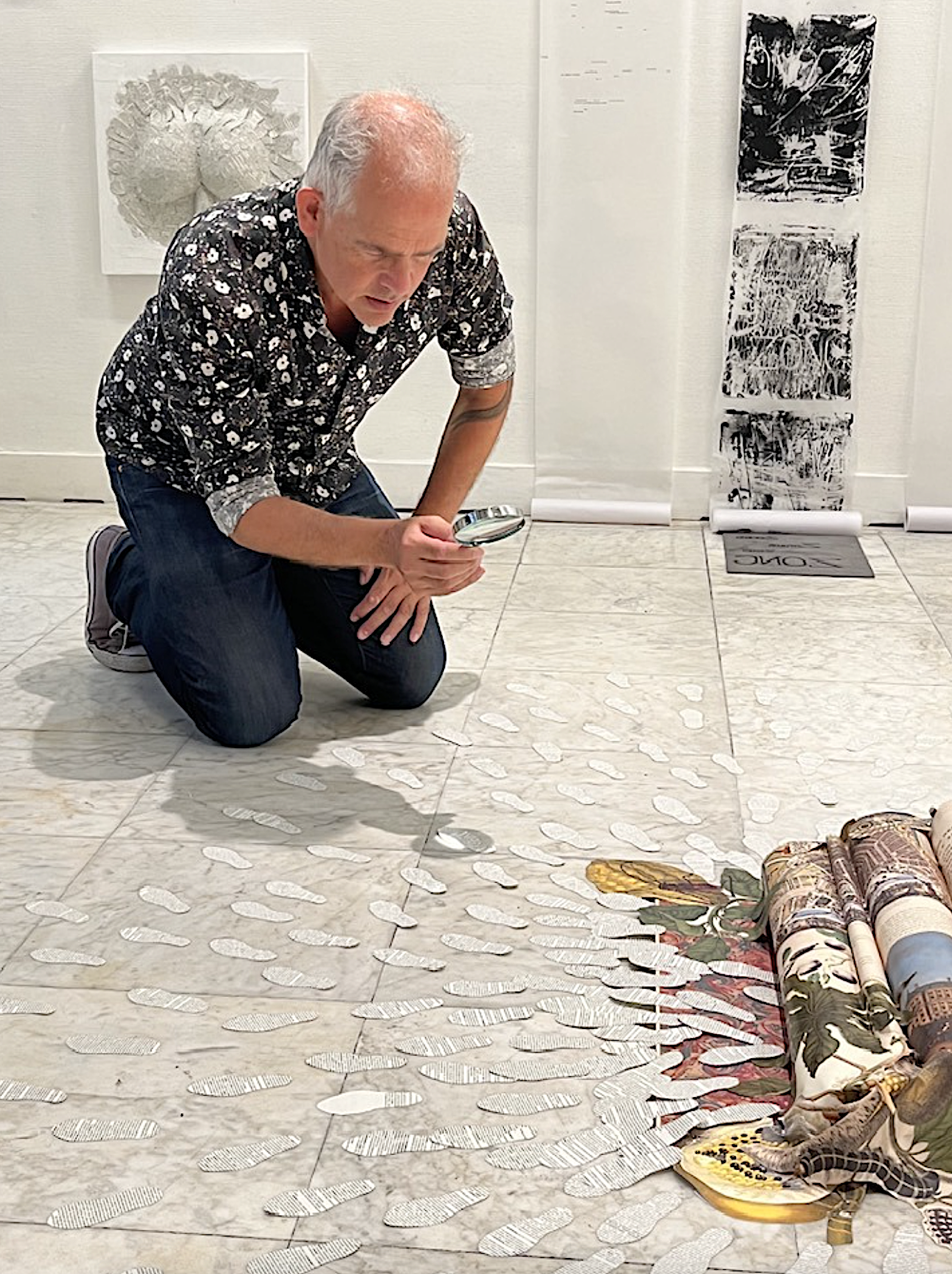
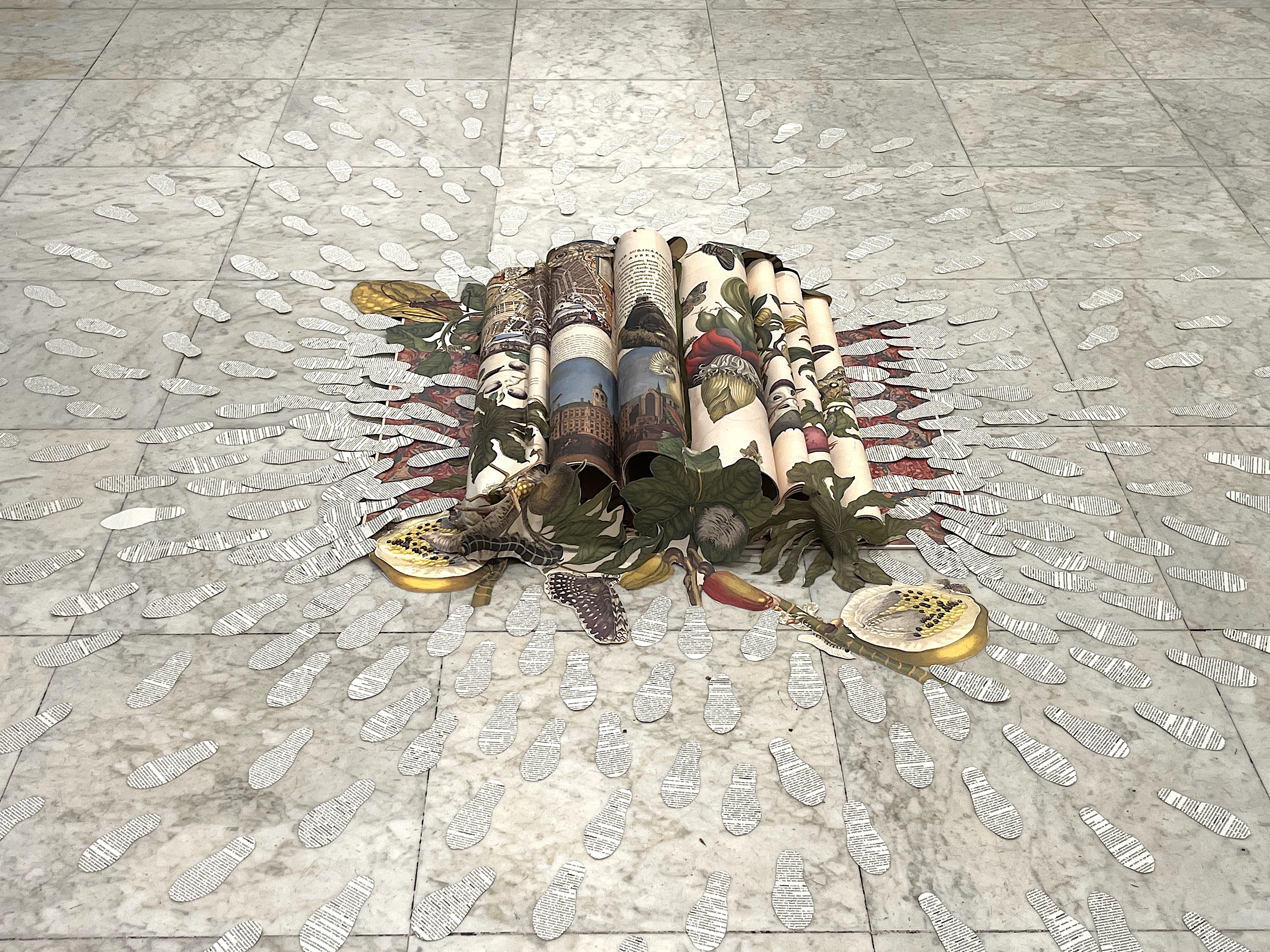
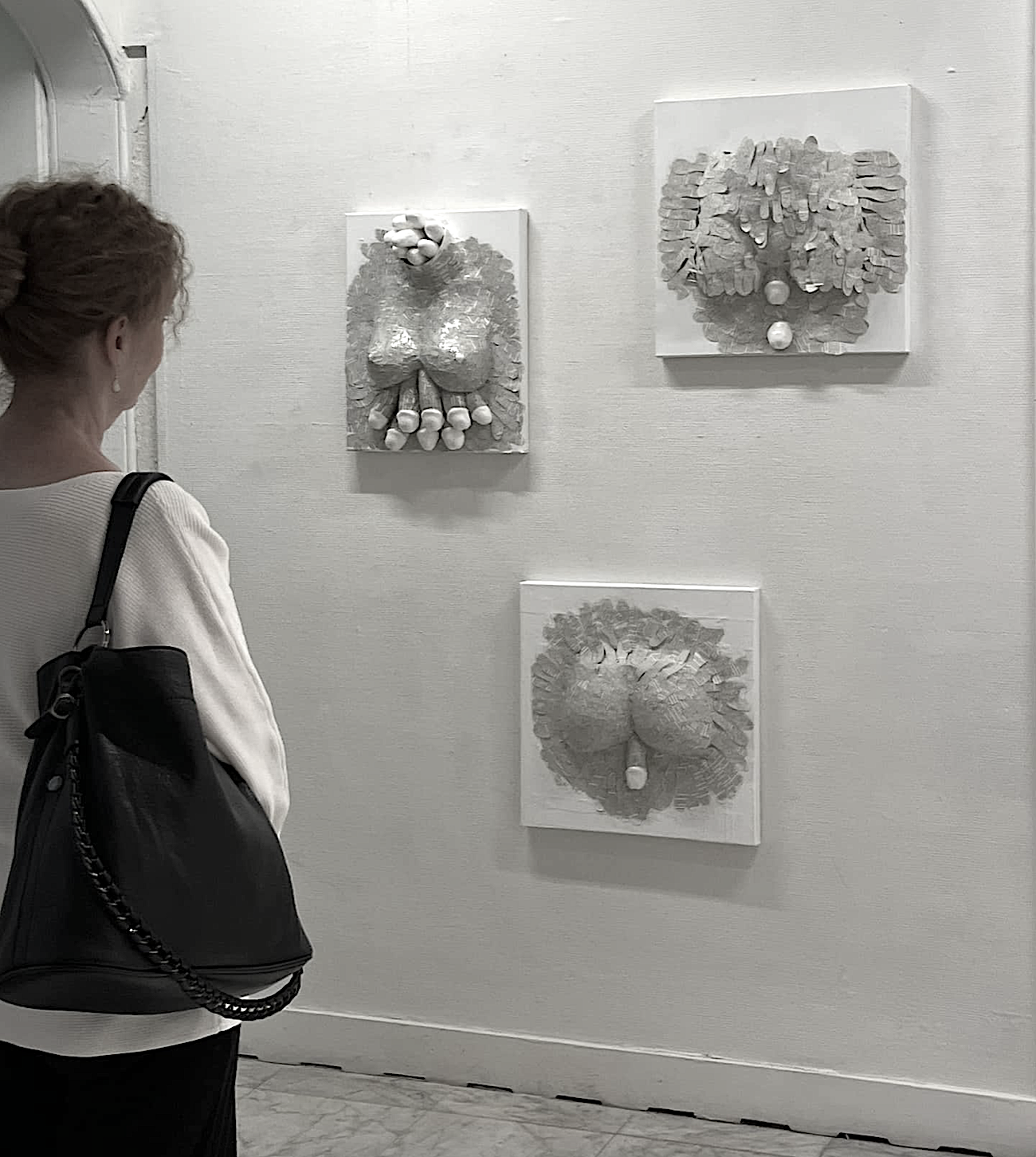
The exhibition Surinamensium part 1 - is the starting point and reflection on the gaze of Maria Sibylla Merian, a German-born naturalist and scientific illustrator whom in 1699, traveled to Dutch Surinam to study and record the tropical insects native to the region, when it was a plantation colony utilising slavery for sugar cultivation. In 1705, she published Metamorphosis insectorum Surinamensium. Merian’s Metamorphosis has been credited with influencing a range of naturalist illustrators. Because of her careful observations and documentation of the metamorphosis of the butterfly. Merian is considered to be among the more significant contributors to the field of entomology by David Attenborough.
Part 1 is a presentation of dialogues and reflections with contributions from Dr. M.L. (Mikki) Stelder and Rudy Chotoe aka di Damsko.
My starting point:
The takeoff point of my reflection on Maria Sibylla Merian is inspired by Elizabeth Polcha’s critical writing on Merian and anchored in my Search of Ubuntu. It is a critical look at Merian’s status as an enslaver; her dependence on enslaved indigenous and African cultivators for her study of plants and insects in Surinam; a study she undertook by exploiting the labor of enslaved African and indigenous guides, most of whom were women. The unnamed enslaved women’s experiences of coerced sexual reproduction, abuse, and rape in Suriname and her reference to enslaved women’s reliance on infanticide and abortion to prevent their children from suffering the same fate.
Part 1 is a presentation of dialogues and reflections with contributions from Dr. M.L. (Mikki) Stelder and Rudy Chotoe aka di Damsko.
My starting point:
The takeoff point of my reflection on Maria Sibylla Merian is inspired by Elizabeth Polcha’s critical writing on Merian and anchored in my Search of Ubuntu. It is a critical look at Merian’s status as an enslaver; her dependence on enslaved indigenous and African cultivators for her study of plants and insects in Surinam; a study she undertook by exploiting the labor of enslaved African and indigenous guides, most of whom were women. The unnamed enslaved women’s experiences of coerced sexual reproduction, abuse, and rape in Suriname and her reference to enslaved women’s reliance on infanticide and abortion to prevent their children from suffering the same fate.
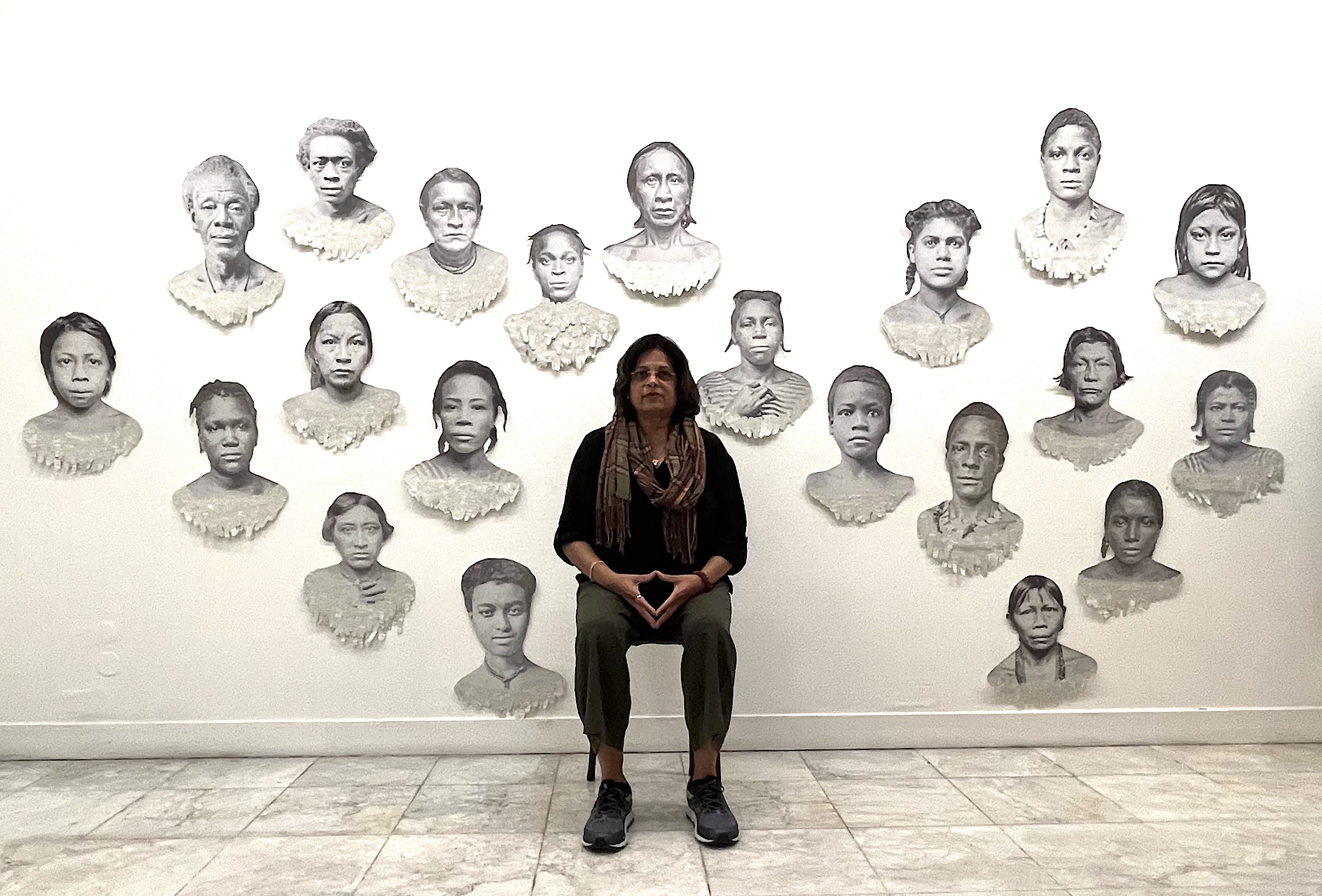
It is also a critical look at Merian’s power as an actor within a slave economy and as a manager of enslaved labourers, and how in her publication, there is an absence of these women/“human possessions”, the cruelty of slavery, the unnamed indigenous woman—likely the person she calls “my Indian” taken captive by Merian and Dorothea on their voyage back to Holland in June 1701. And the fact that details of this woman’s life beyond her servile captivity on the journey to Amsterdam are unknown and were not documented by Merian.
Rethinking Maria Sibylla Merian’s gaze is also a questioning of her claim of ownership of an indigenous woman who could serve as a resource for plant knowledge which in turn gave Merian status within the intellectual networks of naturalism. Not only could Merian boast of drawing specimens from life in Suriname, she returned to Amsterdam in possession of a living informant.
Merian’s reference to labor induction, abortion, and infanticide is surprising within the larger context of her writings, which otherwise focuses on the breeding of insects, not women or sexual reproduction under slavery. Merian’s devotion, above all, was to the environmental context of insects and their lifecycles, which she pursued as an enslaver of the women she cites. Her expertise was not in midwifery, uterine health, or herbalism. Yet, scholarship on Metamorphosis has too often given credit to Merian for her citation of the peacock flower passage. Scholars have suggested that her citation points to an inclusivity or mutuality among women, as if Merian shared a commonality with the women she enslaved. What the peacock flower passage ultimately shows is the unnamed enslaved women’s complex understanding of the relations between herbalism, sexual oppression, and juridical notions of slave status—a complex understanding that Merian lacked.
The “Indians” and “black female slaves” who provided Merian with medical knowledge about the peacock flower are not illustrated in Metamorphosis. Instead, the image associated with these women’s paraphrased accounts is the flower itself, which curves across the page with yellow blossoms, was paired with an evolving moth. Following this brief excerpt, Merian quickly moves from describing the peacock flower and its abortifacient properties to detailing the “pale sea green” caterpillars found near the plant. The beauty of the image obscures the text’s underlying violence: the unnamed enslaved women’s experiences of coerced sexual reproduction, abuse, and rape in Suriname.
In the reconstructed colonial ecosystem of Metamorphosis, flora and fauna have preserved life cycles and histories while Merian does not grant this preservation of life, however, to the enslaved persons she occasionally cites.
These popular depictions of Merian sidestep the politics of sexual reproduction under colonialism and slavery and ignore the context in which Merian undertook her research. Instead, Merian is renown within a softer, more palatable narrative as an exceptional woman scientist who created beautifully illustrated books.
In Elizabeth Polcha’s words, I quote, “Many of the published and unpublished works of early modern women naturalists come from white Europeans like Merian whose research thrived because of colonialism and the slave trade. Sarah Bowdich Lee (1791-1856) collected specimens in West Africa alongside her husband, who held a “writership” under the Royal African Company at Cape Coast Castle.
Although the Bowdichs were anti-slavery, they still benfitted from its infrastructure to further their scientific aims. Prior to the Bowdichs’ arrival at Cape Coast Castle, enslaved Africans had been held in its dungeon, awaiting the terror of the middle passage. Bowdich Lee also collaborated with naturalist and anatomist George Cuvier. Cuvier was himself known for his terroristic anatomical examination of Saartje Baartman (Sarah Baartman), a South African woman whose body was dissected and exhibited by French naturalists in one of the most horrific cases in the history of racial science. Maria Riddell (1772-1808), who published a natural history narrative of the Leeward Islands in 1790, came from a family of plantation owners in St. Kitts and Antigua. Harriet (1830-1907) and Helena Scott (1832-1910), scientific illustrators known for their work on Australian
Lepidoptera, were part of a settler colonial family who occupied Worimi and Awabakal people’s territory when their father, naturalist Alexander Walker Scott, was issued a land grant by the British colonial government in New South Wales. Like Merian, these women’s scientific careers prospered because of violent dispossession.
Contending with complex oppression in the history of science and popular culture requires us to recognize that white women scientists were not divested from these legacies of abuse. Merian was not as active in the slave trade as other naturalists, but popular narratives of her life must foreground her class position and status as an enslaver. Understanding how women like Merian easily took on the role of an enslaver helps us to further conceptualize how naturalist study seamlessly produced white supremacy.” End of quote
Brief description of Dr. Mikki Stelder’s contribution:
This ongoing work emerged in a larger dialogue with Sithabile Mlotshwa on the legacy of Merian in a larger context of Dutch colonialism, imperialism, and slavery. The dialogues started from the questions, how was Merian able to separate her careful study of the natural surroundings from the larger context of plantation slavery that she immersed herself in, observed and benefited from? What can Merian’s capacity to segregate and categorize tell us about the particular structures of Dutch colonial and racial terror? How come Merian recognized the “ill-treatment” of enslaved peoples in her work, while at the same time did not renounce the system of slavery? How has Dutch historiography portrayed Merian as a critic of the institution of slavery?
In this work, I took Maria Sibylla Merian’s Metamorphosis in Surinamensium (1705) as a starting point to question Merian’s capacity of close observation, while at the same time examine the erasures her observations performed. It is very much inspired by and in conversation with the work and methodologies of Black feminist scholarship on slavery and the archive. In the first part of this triptych, I have taken Merian’s introduction to the German edition of her work and reconstructed it. In the introduction, Dutch colonialism and plantation slavery are nowhere to be found and yet they are all over the text. The center of the triptych is a response to Merian’s portrayal as a critic of slavery because she talked about the harsh treatment of enslaved people in Surinam. Examining the Dutch trope of the “benevolent slave master,” this part takes the infamous British slave ship Zong as a starting point to question this portrayal of Merian. The Zong was originally a Dutch ship called the Zorgue (or care), but in the repainting of the ship the British used the misnomer Zong. Why was it that the Dutch called their slave ship Zorgue? How was it that Merian’s suggestions for better treatment of enslaved people became narrated in Dutch historiography as a critique of the institution of slavery? The piece draws attention to the process of erasing the history of the Dutch Atlantic slavery system in favor of narratives of benevolence and care. The third part of the triptych is inspired by picture number XLV of Merian’s Metamorphosis. She describes the plant flos pavonis and how enslaved Indigenous and African women told her they used the plant to trigger an abortion. This is one of the few moments in the Metamorphosis where Merian “cites” rather than appropriates the knowledge of enslaved Indigenous and African women and makes them co-authors of her text. Merian was one of the first Europeans to record the abortive properties of this plant. By reconstructing Merian’s own description, this third part draws attention to the insistence on freedom and self-determination by enslaved Indigenous and African women under conditions of racial and colonial terror.
Inspired by and in conversation with….
Brand, Dionne. (2001). A Map to the Door of No Return – Notes to Belonging. Toronto: Vintage.
Kom de, Anton. (2021). Wij slaven van Suriname. Amsterdam: Atlas Contact.
Fuentes, Marisa J. (2016). Dispossessed Lives: Enslaved Women, Violence, and the Archive. Philadelphia: University of Pennsylvania Press.
Hartman. Saidiya V. (1997). Scenes of Subjection: Terror, Slavery, and Self-Making in Nineteenth Century America. New York: Oxford UP.
—. (2008). “Venus in Two Acts.” Small Axe, 12(2), 1-14.
Lethabo King, Tiffany. (2019). The Black Shoals: Offshore Formations of Black and Native Studies. Durham: Duke UP.
McKittrick, Katherine. (2006). Demonic Grounds: Black Women and the Cartographies of Struggle. Minneapolis: University of Minnesota Press.
—. (2021). Dear Science and Other Stories. Durham: Duke UP.
Philip, M. NourbeSe (2008). Zong!: as told to the author by Setaey Adamu Boateng. Middletown: Wesleyan UP.
Sharpe, Christina. (2016). In the Wake: On Blackness and Being. Durham: Duke UP.
Wekker, Gloria. (2016). White Innocence: Paradoxes of Colonialism and Race. Durham: Duke UP.
Mikki Stelder (they/them) is a researcher, writer, and educator based in Amsterdam, The Netherlands. Their work examines the oceanic entanglements of Dutch imperialism and its aftermath within a global context.
Rethinking Maria Sibylla Merian’s gaze is also a questioning of her claim of ownership of an indigenous woman who could serve as a resource for plant knowledge which in turn gave Merian status within the intellectual networks of naturalism. Not only could Merian boast of drawing specimens from life in Suriname, she returned to Amsterdam in possession of a living informant.
Merian’s reference to labor induction, abortion, and infanticide is surprising within the larger context of her writings, which otherwise focuses on the breeding of insects, not women or sexual reproduction under slavery. Merian’s devotion, above all, was to the environmental context of insects and their lifecycles, which she pursued as an enslaver of the women she cites. Her expertise was not in midwifery, uterine health, or herbalism. Yet, scholarship on Metamorphosis has too often given credit to Merian for her citation of the peacock flower passage. Scholars have suggested that her citation points to an inclusivity or mutuality among women, as if Merian shared a commonality with the women she enslaved. What the peacock flower passage ultimately shows is the unnamed enslaved women’s complex understanding of the relations between herbalism, sexual oppression, and juridical notions of slave status—a complex understanding that Merian lacked.
The “Indians” and “black female slaves” who provided Merian with medical knowledge about the peacock flower are not illustrated in Metamorphosis. Instead, the image associated with these women’s paraphrased accounts is the flower itself, which curves across the page with yellow blossoms, was paired with an evolving moth. Following this brief excerpt, Merian quickly moves from describing the peacock flower and its abortifacient properties to detailing the “pale sea green” caterpillars found near the plant. The beauty of the image obscures the text’s underlying violence: the unnamed enslaved women’s experiences of coerced sexual reproduction, abuse, and rape in Suriname.
In the reconstructed colonial ecosystem of Metamorphosis, flora and fauna have preserved life cycles and histories while Merian does not grant this preservation of life, however, to the enslaved persons she occasionally cites.
These popular depictions of Merian sidestep the politics of sexual reproduction under colonialism and slavery and ignore the context in which Merian undertook her research. Instead, Merian is renown within a softer, more palatable narrative as an exceptional woman scientist who created beautifully illustrated books.
In Elizabeth Polcha’s words, I quote, “Many of the published and unpublished works of early modern women naturalists come from white Europeans like Merian whose research thrived because of colonialism and the slave trade. Sarah Bowdich Lee (1791-1856) collected specimens in West Africa alongside her husband, who held a “writership” under the Royal African Company at Cape Coast Castle.
Although the Bowdichs were anti-slavery, they still benfitted from its infrastructure to further their scientific aims. Prior to the Bowdichs’ arrival at Cape Coast Castle, enslaved Africans had been held in its dungeon, awaiting the terror of the middle passage. Bowdich Lee also collaborated with naturalist and anatomist George Cuvier. Cuvier was himself known for his terroristic anatomical examination of Saartje Baartman (Sarah Baartman), a South African woman whose body was dissected and exhibited by French naturalists in one of the most horrific cases in the history of racial science. Maria Riddell (1772-1808), who published a natural history narrative of the Leeward Islands in 1790, came from a family of plantation owners in St. Kitts and Antigua. Harriet (1830-1907) and Helena Scott (1832-1910), scientific illustrators known for their work on Australian
Lepidoptera, were part of a settler colonial family who occupied Worimi and Awabakal people’s territory when their father, naturalist Alexander Walker Scott, was issued a land grant by the British colonial government in New South Wales. Like Merian, these women’s scientific careers prospered because of violent dispossession.
Contending with complex oppression in the history of science and popular culture requires us to recognize that white women scientists were not divested from these legacies of abuse. Merian was not as active in the slave trade as other naturalists, but popular narratives of her life must foreground her class position and status as an enslaver. Understanding how women like Merian easily took on the role of an enslaver helps us to further conceptualize how naturalist study seamlessly produced white supremacy.” End of quote
Brief description of Dr. Mikki Stelder’s contribution:
This ongoing work emerged in a larger dialogue with Sithabile Mlotshwa on the legacy of Merian in a larger context of Dutch colonialism, imperialism, and slavery. The dialogues started from the questions, how was Merian able to separate her careful study of the natural surroundings from the larger context of plantation slavery that she immersed herself in, observed and benefited from? What can Merian’s capacity to segregate and categorize tell us about the particular structures of Dutch colonial and racial terror? How come Merian recognized the “ill-treatment” of enslaved peoples in her work, while at the same time did not renounce the system of slavery? How has Dutch historiography portrayed Merian as a critic of the institution of slavery?
In this work, I took Maria Sibylla Merian’s Metamorphosis in Surinamensium (1705) as a starting point to question Merian’s capacity of close observation, while at the same time examine the erasures her observations performed. It is very much inspired by and in conversation with the work and methodologies of Black feminist scholarship on slavery and the archive. In the first part of this triptych, I have taken Merian’s introduction to the German edition of her work and reconstructed it. In the introduction, Dutch colonialism and plantation slavery are nowhere to be found and yet they are all over the text. The center of the triptych is a response to Merian’s portrayal as a critic of slavery because she talked about the harsh treatment of enslaved people in Surinam. Examining the Dutch trope of the “benevolent slave master,” this part takes the infamous British slave ship Zong as a starting point to question this portrayal of Merian. The Zong was originally a Dutch ship called the Zorgue (or care), but in the repainting of the ship the British used the misnomer Zong. Why was it that the Dutch called their slave ship Zorgue? How was it that Merian’s suggestions for better treatment of enslaved people became narrated in Dutch historiography as a critique of the institution of slavery? The piece draws attention to the process of erasing the history of the Dutch Atlantic slavery system in favor of narratives of benevolence and care. The third part of the triptych is inspired by picture number XLV of Merian’s Metamorphosis. She describes the plant flos pavonis and how enslaved Indigenous and African women told her they used the plant to trigger an abortion. This is one of the few moments in the Metamorphosis where Merian “cites” rather than appropriates the knowledge of enslaved Indigenous and African women and makes them co-authors of her text. Merian was one of the first Europeans to record the abortive properties of this plant. By reconstructing Merian’s own description, this third part draws attention to the insistence on freedom and self-determination by enslaved Indigenous and African women under conditions of racial and colonial terror.
Inspired by and in conversation with….
Brand, Dionne. (2001). A Map to the Door of No Return – Notes to Belonging. Toronto: Vintage.
Kom de, Anton. (2021). Wij slaven van Suriname. Amsterdam: Atlas Contact.
Fuentes, Marisa J. (2016). Dispossessed Lives: Enslaved Women, Violence, and the Archive. Philadelphia: University of Pennsylvania Press.
Hartman. Saidiya V. (1997). Scenes of Subjection: Terror, Slavery, and Self-Making in Nineteenth Century America. New York: Oxford UP.
—. (2008). “Venus in Two Acts.” Small Axe, 12(2), 1-14.
Lethabo King, Tiffany. (2019). The Black Shoals: Offshore Formations of Black and Native Studies. Durham: Duke UP.
McKittrick, Katherine. (2006). Demonic Grounds: Black Women and the Cartographies of Struggle. Minneapolis: University of Minnesota Press.
—. (2021). Dear Science and Other Stories. Durham: Duke UP.
Philip, M. NourbeSe (2008). Zong!: as told to the author by Setaey Adamu Boateng. Middletown: Wesleyan UP.
Sharpe, Christina. (2016). In the Wake: On Blackness and Being. Durham: Duke UP.
Wekker, Gloria. (2016). White Innocence: Paradoxes of Colonialism and Race. Durham: Duke UP.
Mikki Stelder (they/them) is a researcher, writer, and educator based in Amsterdam, The Netherlands. Their work examines the oceanic entanglements of Dutch imperialism and its aftermath within a global context.